
Manufacturing
Optimize production, strengthen supply chains, and drive predictive operations.
Explore IndustryBackend Development: With the rise in popularity of mobile applications, the focus has shifted away from just creating a great app and understanding the fundame...
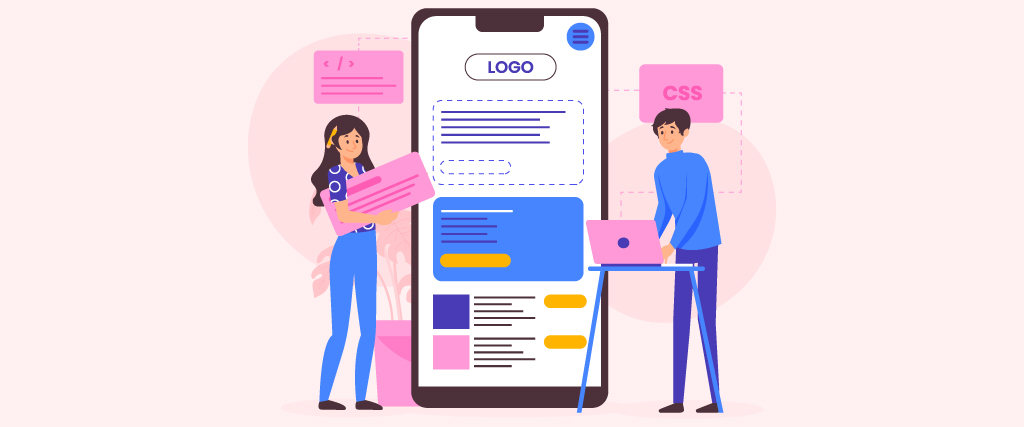
 Whether in the cloud or on-premises, a back-end server for mobile apps is the network's life.
These provide (shared) resources that networks require to function and serve as a mobile app hosting platform.
Encryption and security, file storage, email, databases, and web services are examples of shared resources.
These servers now use virtualization to provide space for a variety of apps.
Containerization, which is how servers give the operating system to include segmented applications, is another term used for servers.
Database
Whether in the cloud or on-premises, a back-end server for mobile apps is the network's life.
These provide (shared) resources that networks require to function and serve as a mobile app hosting platform.
Encryption and security, file storage, email, databases, and web services are examples of shared resources.
These servers now use virtualization to provide space for a variety of apps.
Containerization, which is how servers give the operating system to include segmented applications, is another term used for servers.
Database
 A database is what makes a website or program dynamic. The database is expected to accept the query, get the data, and send it to the app user whenever a user requests the app.
Along with providing information to users, databases are also responsible for accepting new data and editing old data as needed.
Middleware
Middleware is server-side software that connects the front-end and back-end of an application.
It allows the client and server to communicate. It can be divided into several layers, including business and presentation layers.
It allows on-premise and cloud apps to communicate and provide error management and data integration services.
A good middleware solution can help with business process management, user engagement, authentication, content, and content management, among other things.
To begin with, these three components form the foundation of back-end development.
Now, for those who are still with us, let me tell you about the best mobile app back-end technology.
I call them the best since they have been utilized on a large scale for various projects of various sizes.
A database is what makes a website or program dynamic. The database is expected to accept the query, get the data, and send it to the app user whenever a user requests the app.
Along with providing information to users, databases are also responsible for accepting new data and editing old data as needed.
Middleware
Middleware is server-side software that connects the front-end and back-end of an application.
It allows the client and server to communicate. It can be divided into several layers, including business and presentation layers.
It allows on-premise and cloud apps to communicate and provide error management and data integration services.
A good middleware solution can help with business process management, user engagement, authentication, content, and content management, among other things.
To begin with, these three components form the foundation of back-end development.
Now, for those who are still with us, let me tell you about the best mobile app back-end technology.
I call them the best since they have been utilized on a large scale for various projects of various sizes.
 Laravel is a PHP web framework for constructing online applications that is open-source. The architectural pattern is model–view–controller (MVC).
Laravel offers a specialized dependency manager and a modular packaging mechanism. In addition, it has a variety of ways to access relational databases and tools that aid in the deployment and maintenance of applications.
Ruby on Rails!
Ruby on Rails is a Ruby-based server-side web application framework, sometimes known as ROR or Rails.
Rail is a model–view controller (MVC) framework with default database, web service, and web page structures.
It promotes and enables the adoption of web standards for data transfer, such as JSON or XML, and HTML, CSS, and JavaScript for user interaction.
Node.js!
Laravel is a PHP web framework for constructing online applications that is open-source. The architectural pattern is model–view–controller (MVC).
Laravel offers a specialized dependency manager and a modular packaging mechanism. In addition, it has a variety of ways to access relational databases and tools that aid in the deployment and maintenance of applications.
Ruby on Rails!
Ruby on Rails is a Ruby-based server-side web application framework, sometimes known as ROR or Rails.
Rail is a model–view controller (MVC) framework with default database, web service, and web page structures.
It promotes and enables the adoption of web standards for data transfer, such as JSON or XML, and HTML, CSS, and JavaScript for user interaction.
Node.js!
 Node.js is a part of the MEAN stack coding language JavaScript and is commonly referred to as Node.
It's a cross-platform, open-source JavaScript runtime environment for executing JavaScript code outside a web browser.
Django!
The model-template-view (MTV) architectural design is used by Django, a Python-based free and open-source web framework.
Python is a programming language that allows you to write code. Python is a popular data programming language that will enable you to build simple, elegant, and explicit code.
Django comes with several libraries that make it simple to create quick, secure, and reliable online applications.
PHP MVC Frameworks!
For web development, PHP is a commonly used general-purpose programming language. In addition, PHP is one of the most widely used back-end programming languages globally.
Users can also use popular frameworks like Laravel, CodeIgniter, Zend, CakePHP, Symfony, etc.
Final Thoughts
These are some of the fundamentals of developing a back-end mobile app.
By now, you understand the backend development process for a mobile app and why it's necessary to have one.
For an app to be successful, it must have a robust back-end. Therefore, you must learn and comprehend these back-end mobile app development fundamentals to avoid potential risks.
Read More: MOBILE APP DEVELOPMENT TECHNOLOGIES IN 2021
Node.js is a part of the MEAN stack coding language JavaScript and is commonly referred to as Node.
It's a cross-platform, open-source JavaScript runtime environment for executing JavaScript code outside a web browser.
Django!
The model-template-view (MTV) architectural design is used by Django, a Python-based free and open-source web framework.
Python is a programming language that allows you to write code. Python is a popular data programming language that will enable you to build simple, elegant, and explicit code.
Django comes with several libraries that make it simple to create quick, secure, and reliable online applications.
PHP MVC Frameworks!
For web development, PHP is a commonly used general-purpose programming language. In addition, PHP is one of the most widely used back-end programming languages globally.
Users can also use popular frameworks like Laravel, CodeIgniter, Zend, CakePHP, Symfony, etc.
Final Thoughts
These are some of the fundamentals of developing a back-end mobile app.
By now, you understand the backend development process for a mobile app and why it's necessary to have one.
For an app to be successful, it must have a robust back-end. Therefore, you must learn and comprehend these back-end mobile app development fundamentals to avoid potential risks.
Read More: MOBILE APP DEVELOPMENT TECHNOLOGIES IN 2021